The Dinorwig Slate Quarries
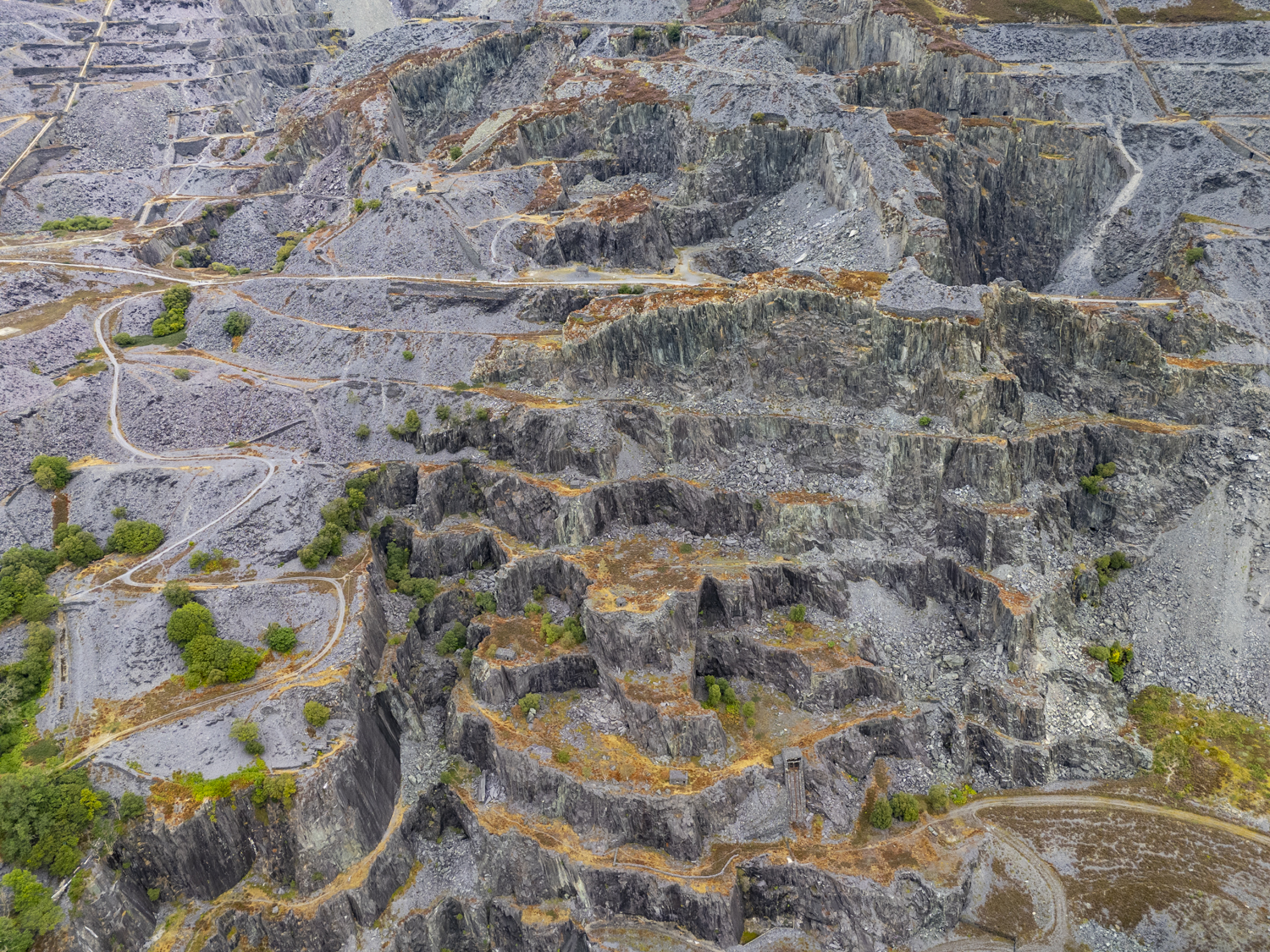
The place fascinated me. A slightly unsettling fascination, like that feeling we experience whenever we find a certain aesthetic beauty in something we consider deeply disturbing. There is inevitably something ambiguous about being drawn to an abandoned industrial site.
At Dinorwig, several histories overlap.
First, there is a geological history, almost 500 million years old: the story of a mountain whose rock, formed over geological time, would eventually become one of Wales’ major industrial resources.
Then comes a human and social history, shaped by hard labour, workers’ struggles and industrial memory. At its peak, around 1890, more than 17,000 workers were employed in the slate quarries of North Wales. Quarrying gradually declined throughout the 20th century, until the last major quarries closed in the 1960s.
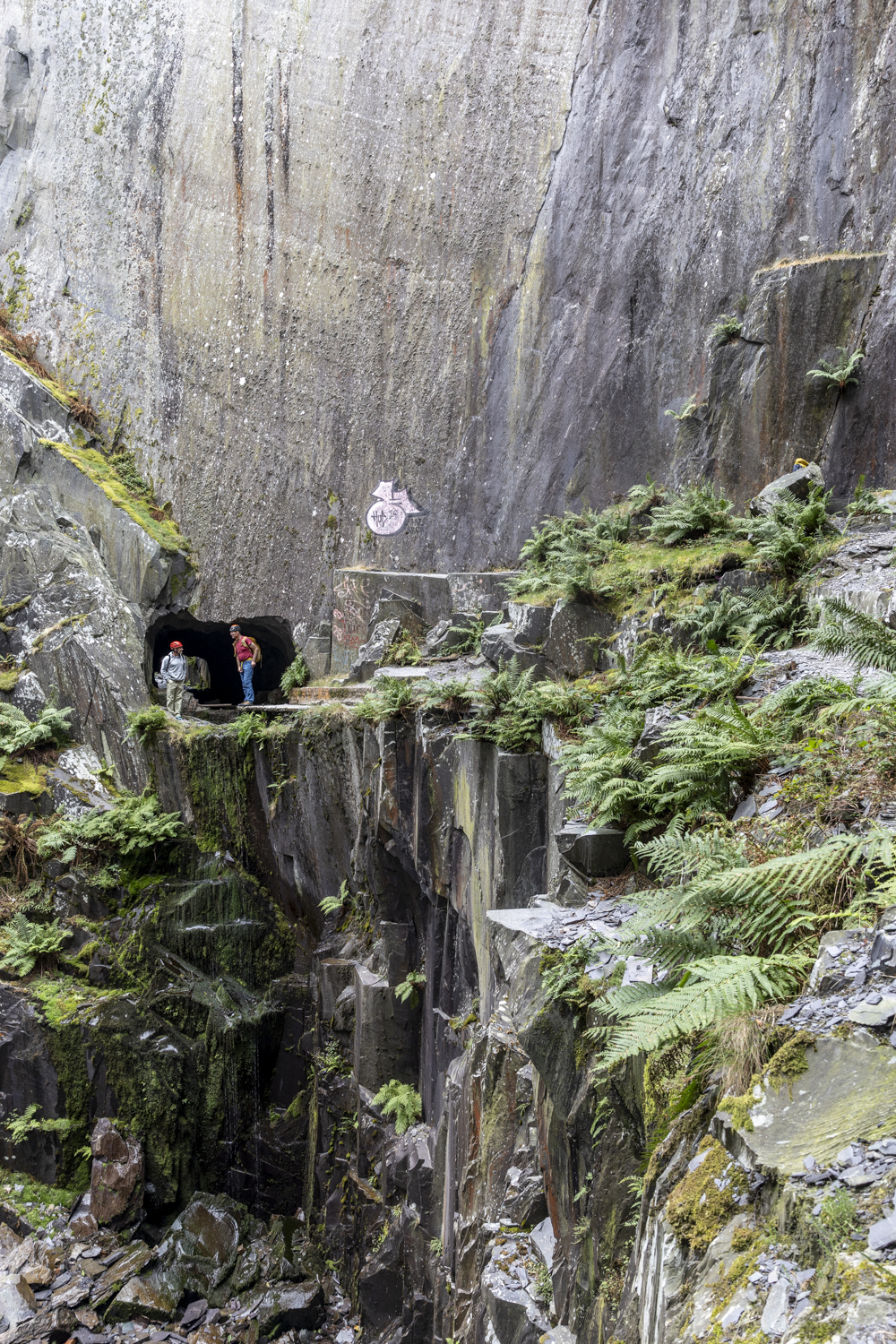
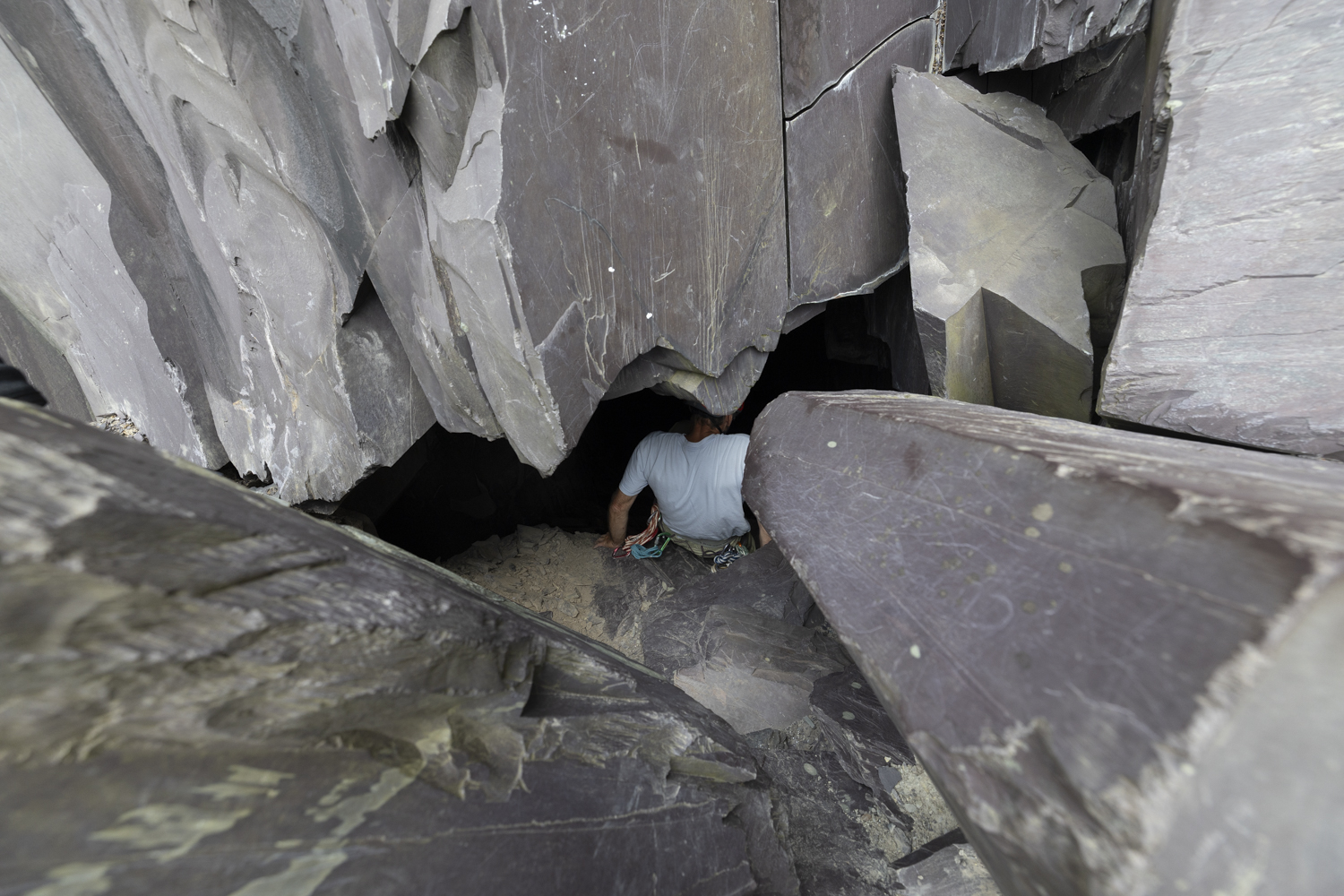
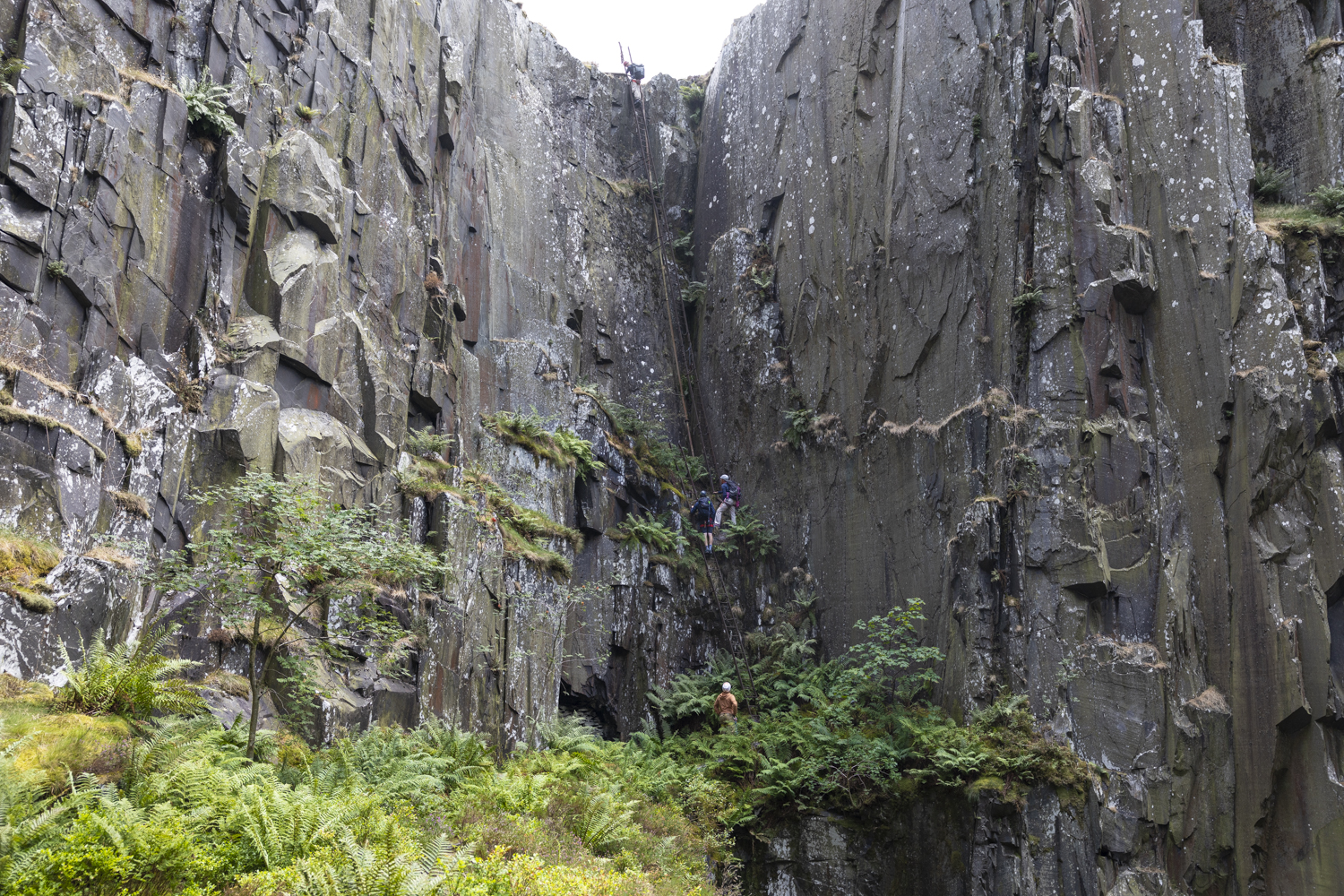
Then came a sporting history. Once abandoned, the Dinorwig quarries became the birthplace of a radical form of climbing, with an identity of its own and routes that have since become legendary, such as The Quarryman, first climbed by Johnny Dawes. Its third pitch was immortalised in the celebrated film Stone Monkey, in which Dawes performs a traverse that has become one of the most iconic sequences in the history of British climbing.More accessible to the general public is “Snakes and Ladders,” a raw, no-frills adventure route that winds its way through galleries and tunnels, following old ladders and chains left behind from the quarry’s mining days.
There is also a cultural and heritage history. In 2021, the slate landscapes of north-west Wales were inscribed on the UNESCO World Heritage List, recognising the exceptional value of this territory shaped by centuries of slate extraction.
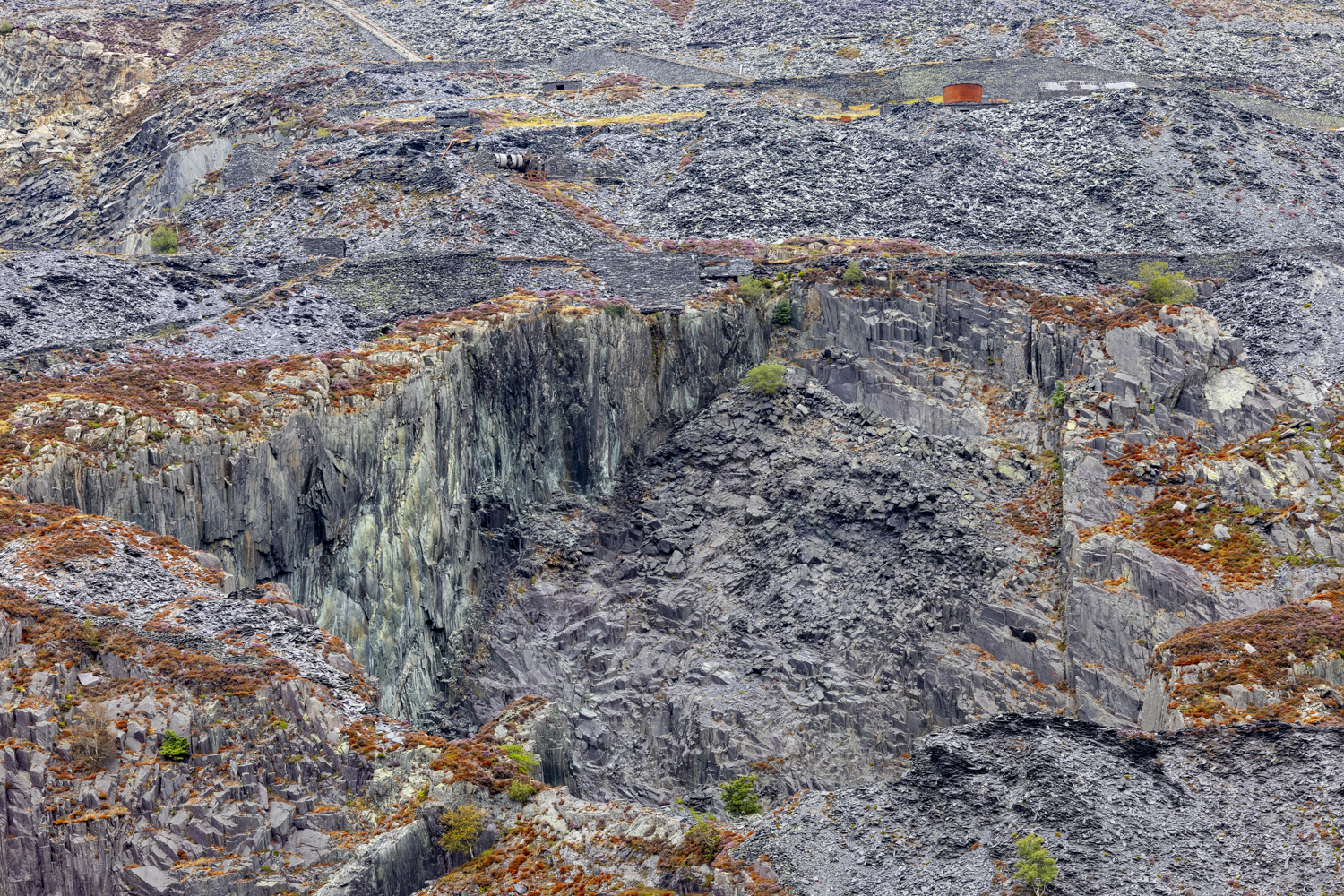
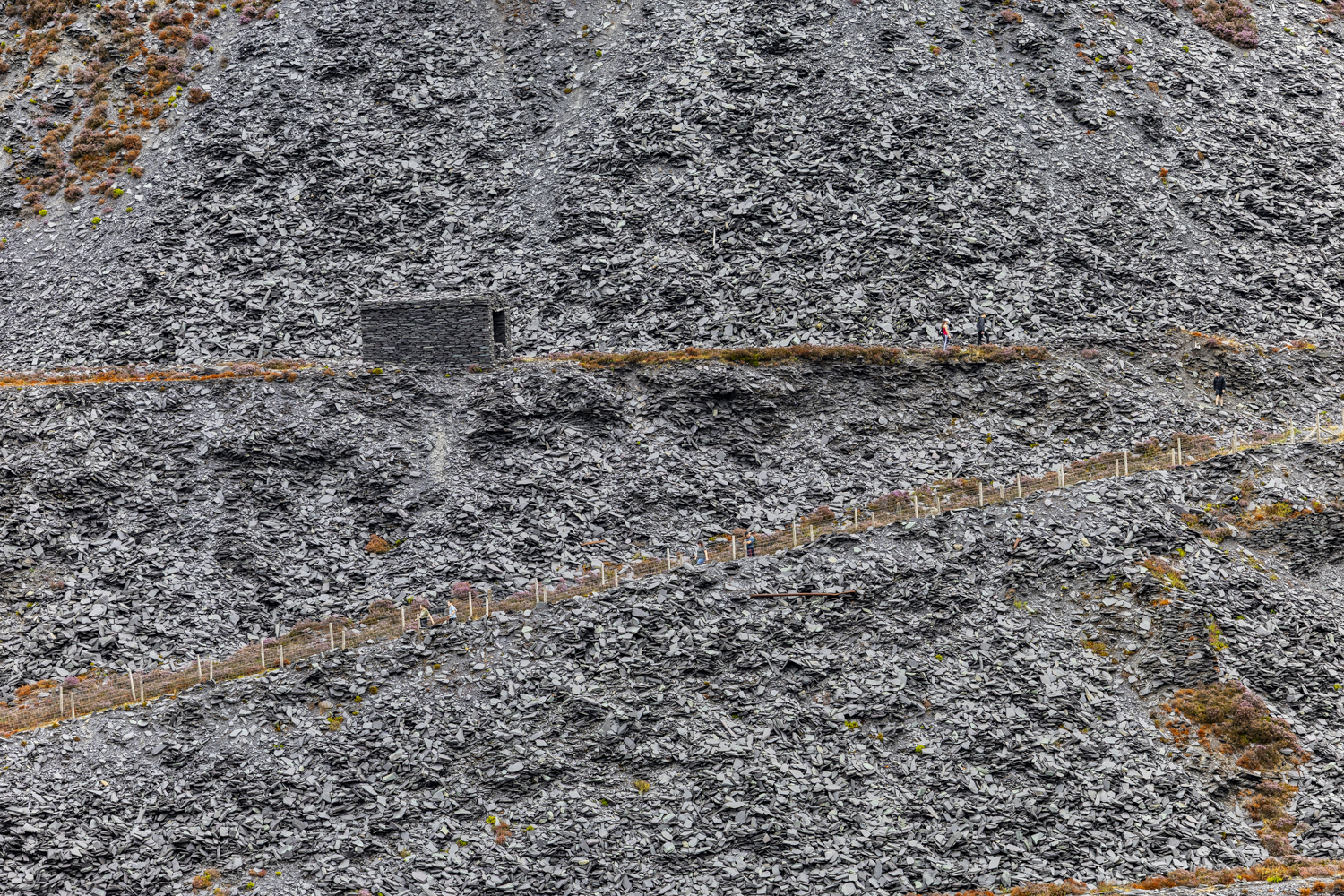
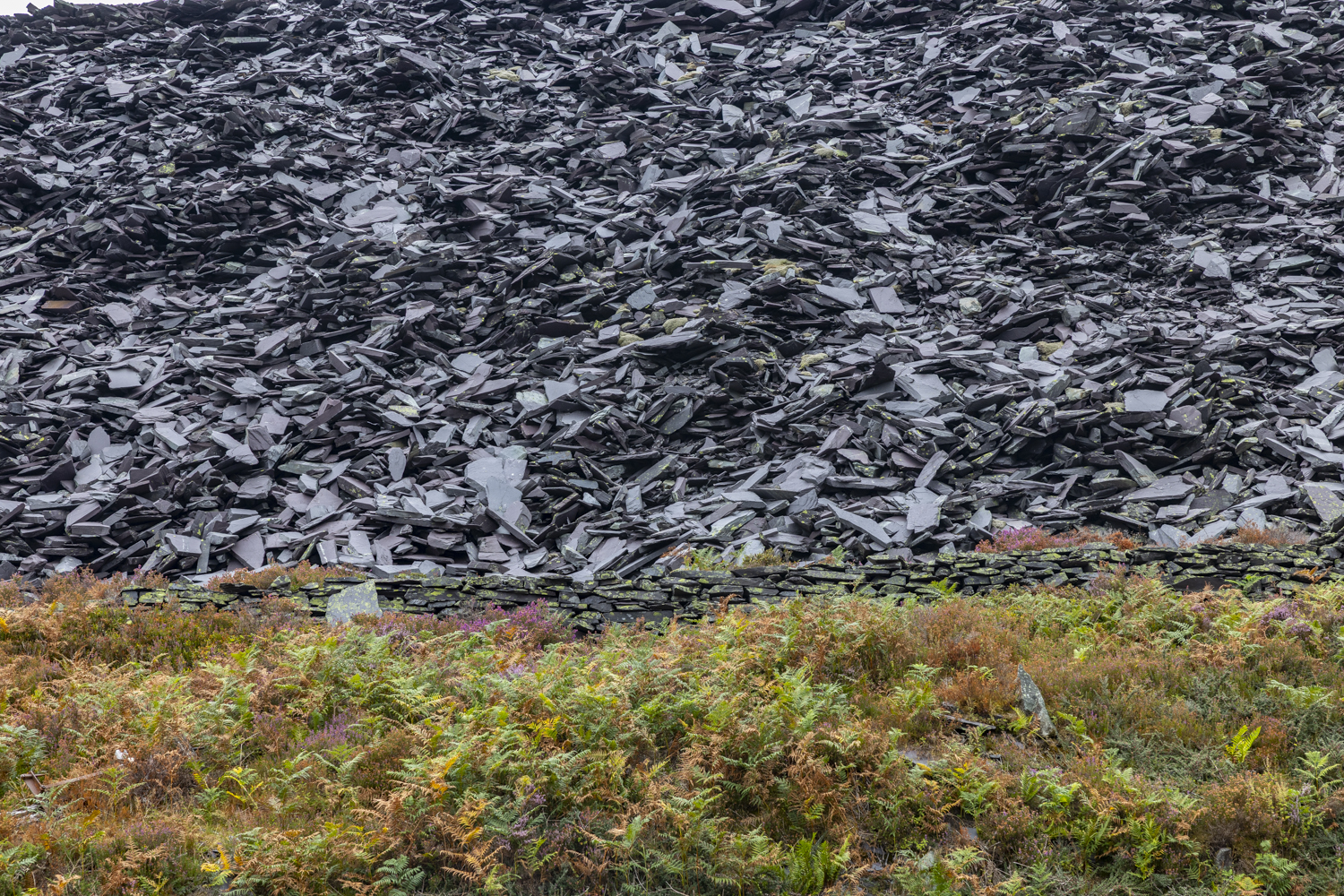
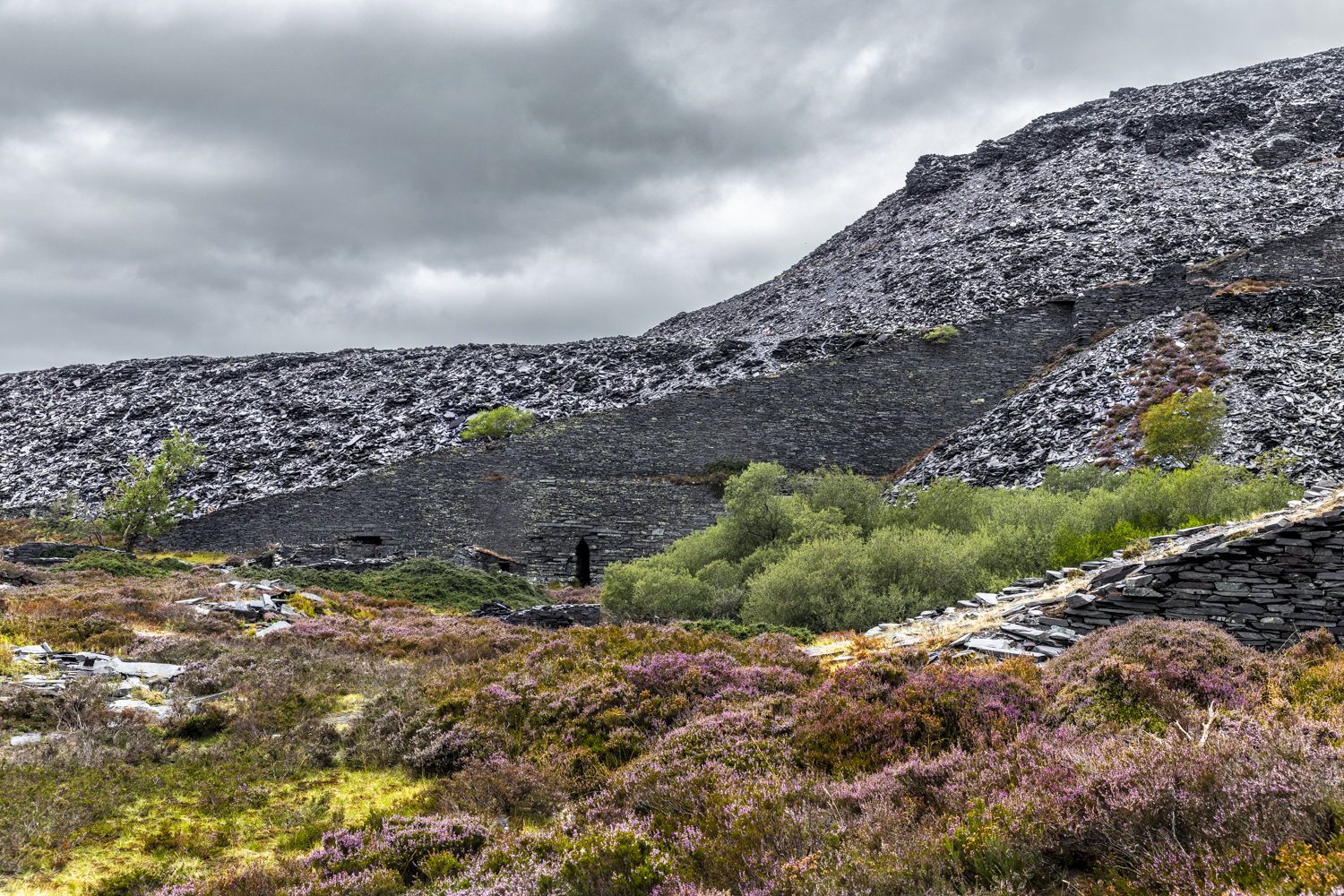
And finally, there is a story of regeneration. Across the abandoned quarry sites, vegetation is slowly reclaiming the land. It takes root in cracks, spreads across the spoil heaps and introduces unexpected lines, textures and colours into the stark geometry of the quarries.
Discover more about "Snakes and Ladders" in WIDER Magazine issue 91