This year, I discovered Tanzania during the dry season.
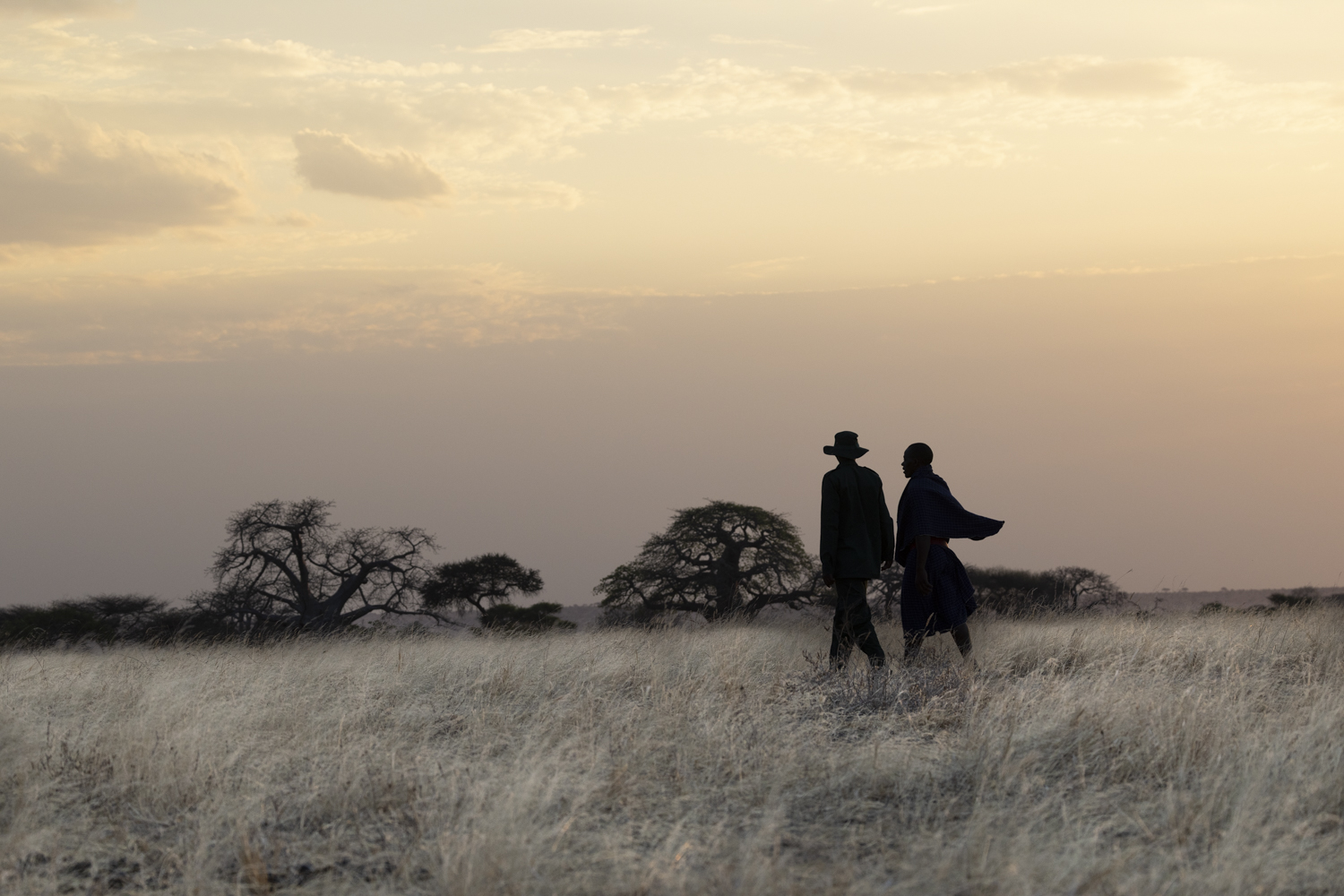
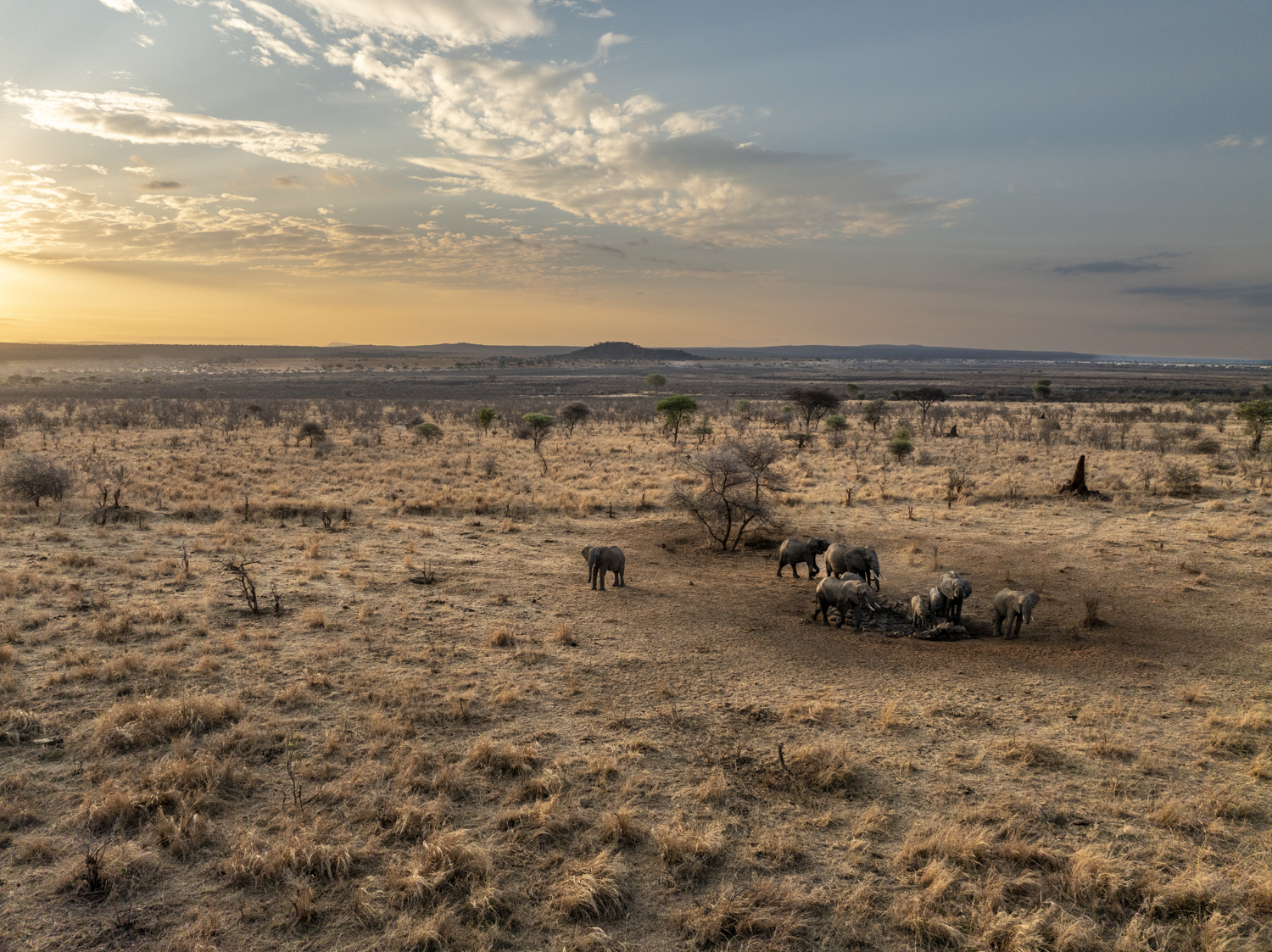
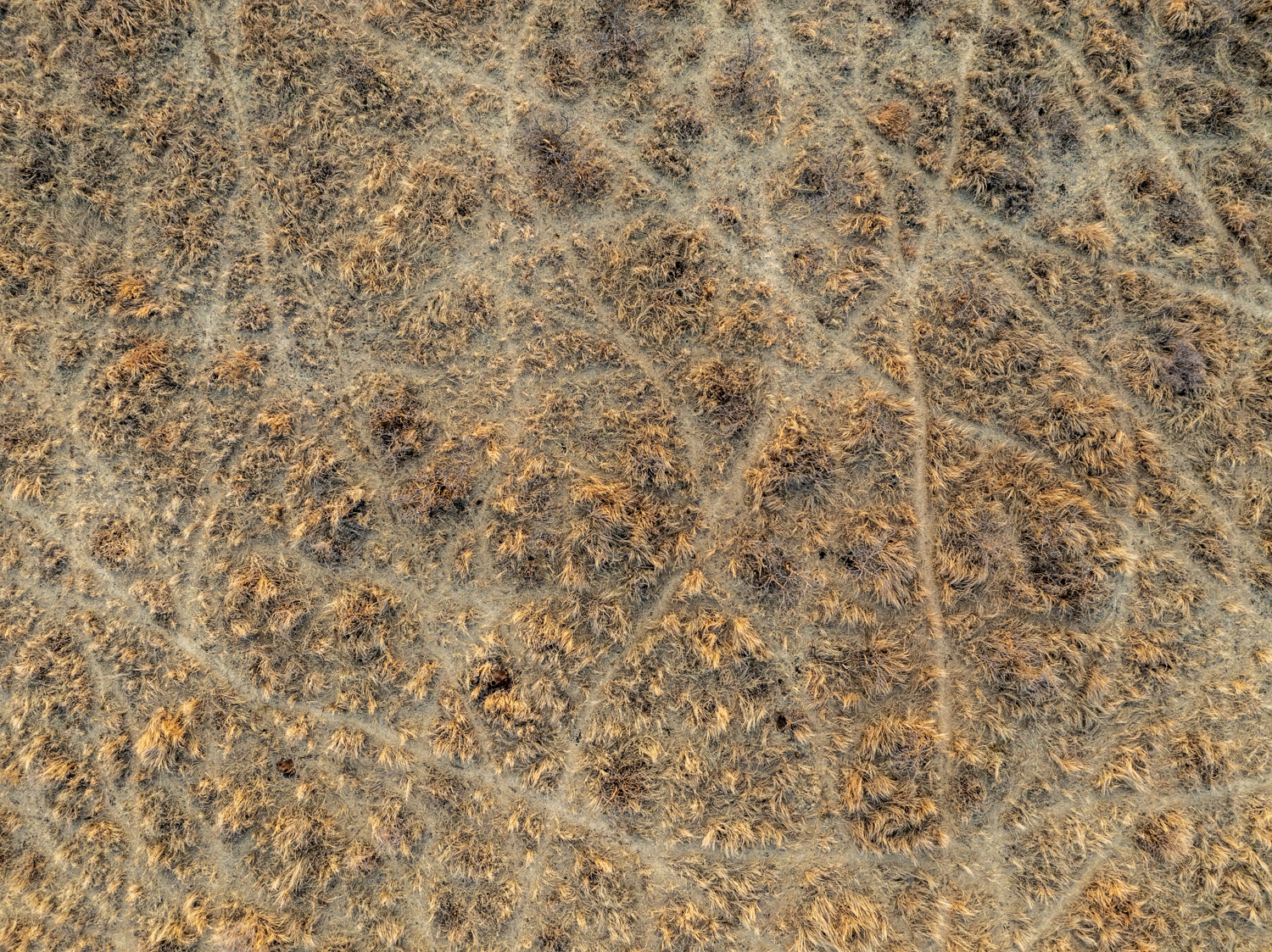
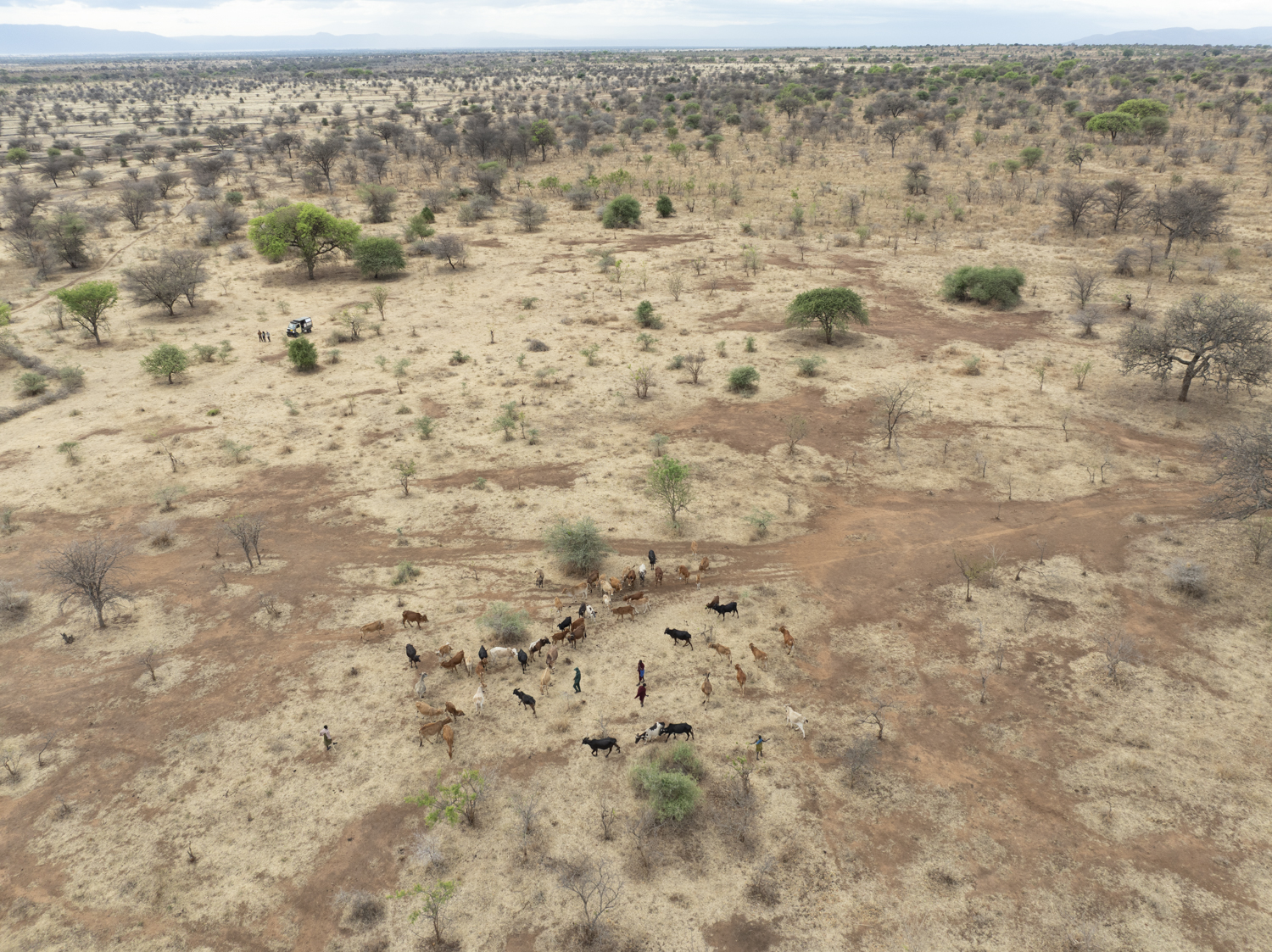
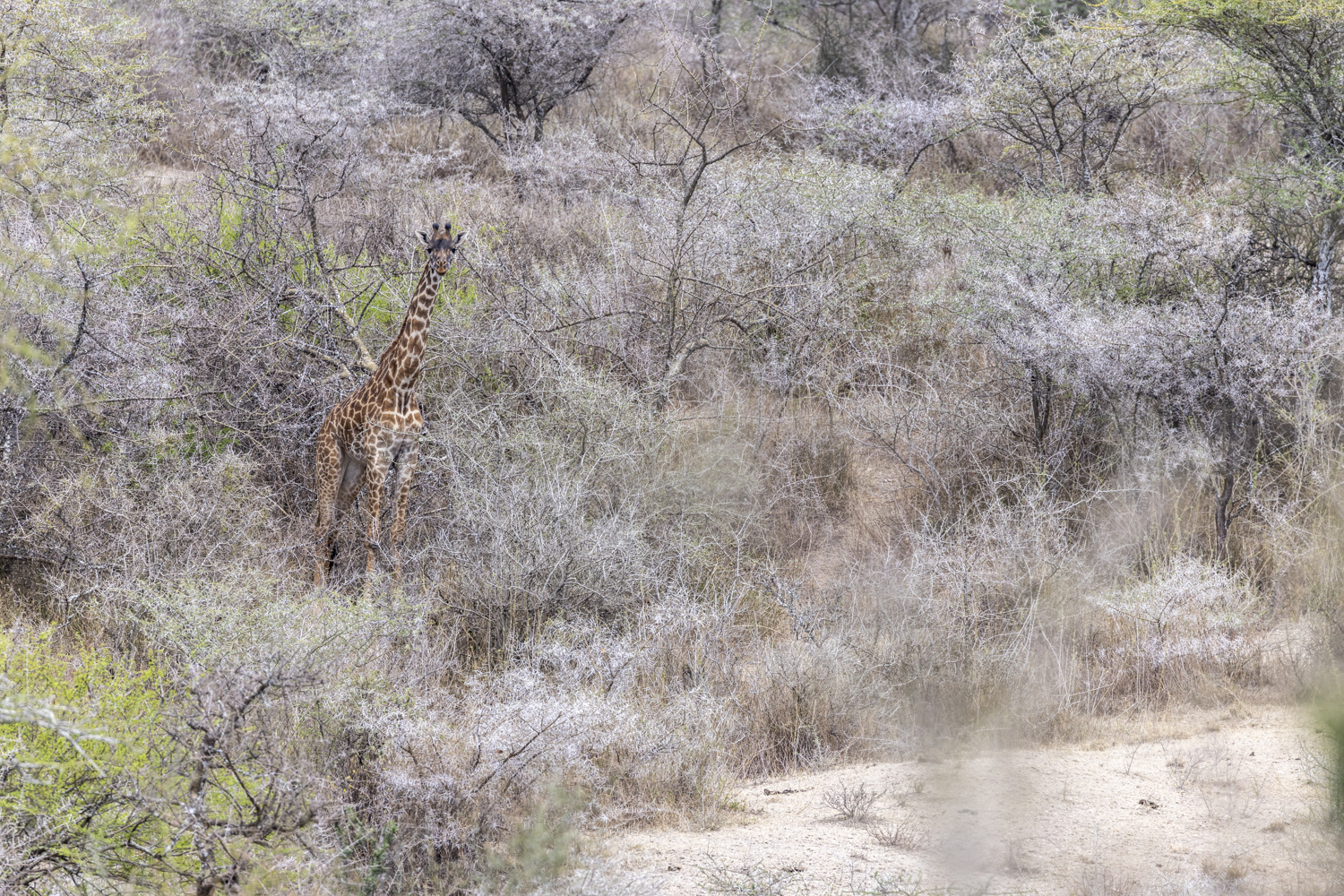
There was no greenery at all: the grass was so dry that it wasn’t even yellow anymore, but almost white. Apart from a few waterholes where livestock and wildlife come to drink, the landscape showed not a hint of green.
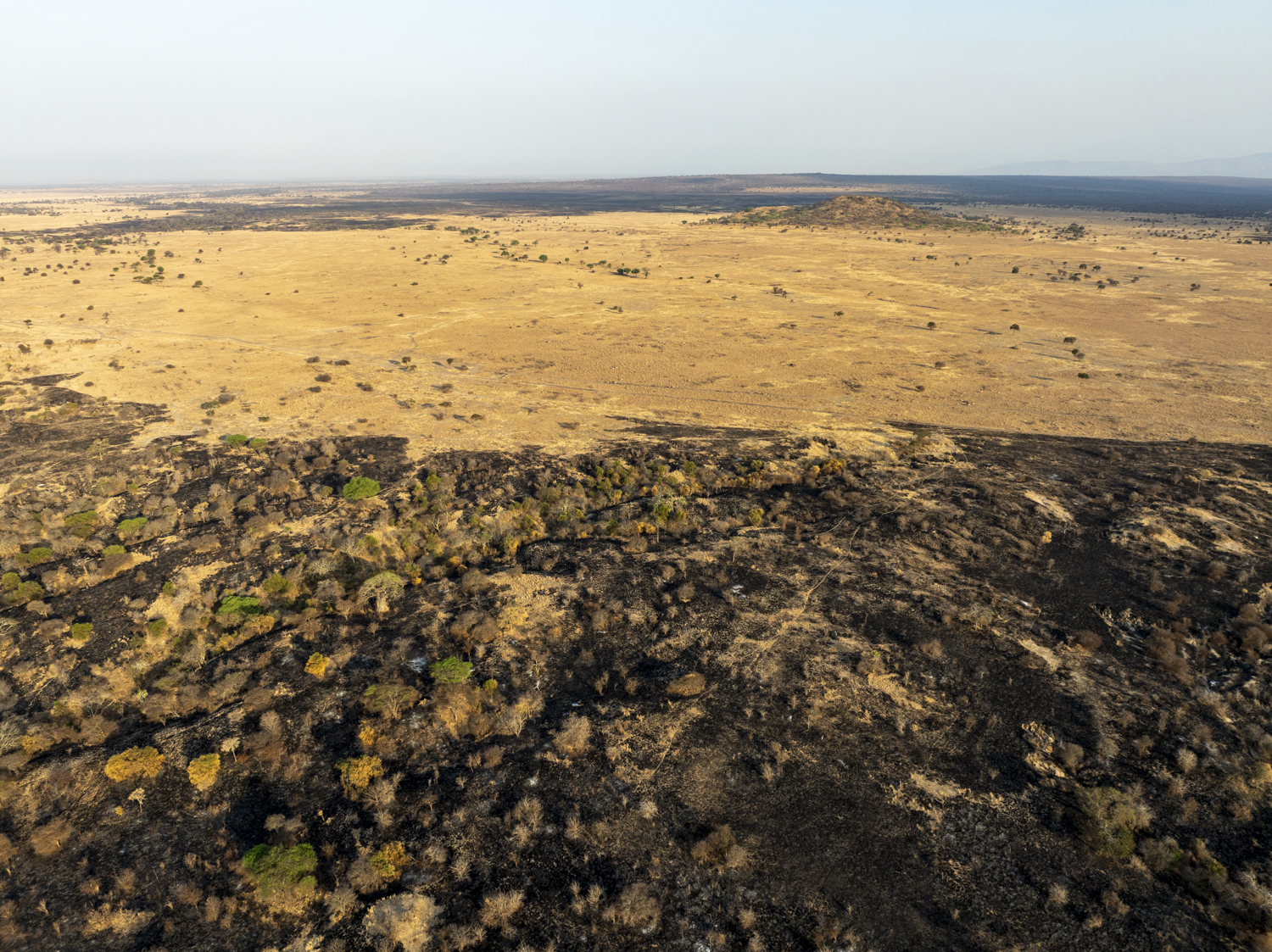
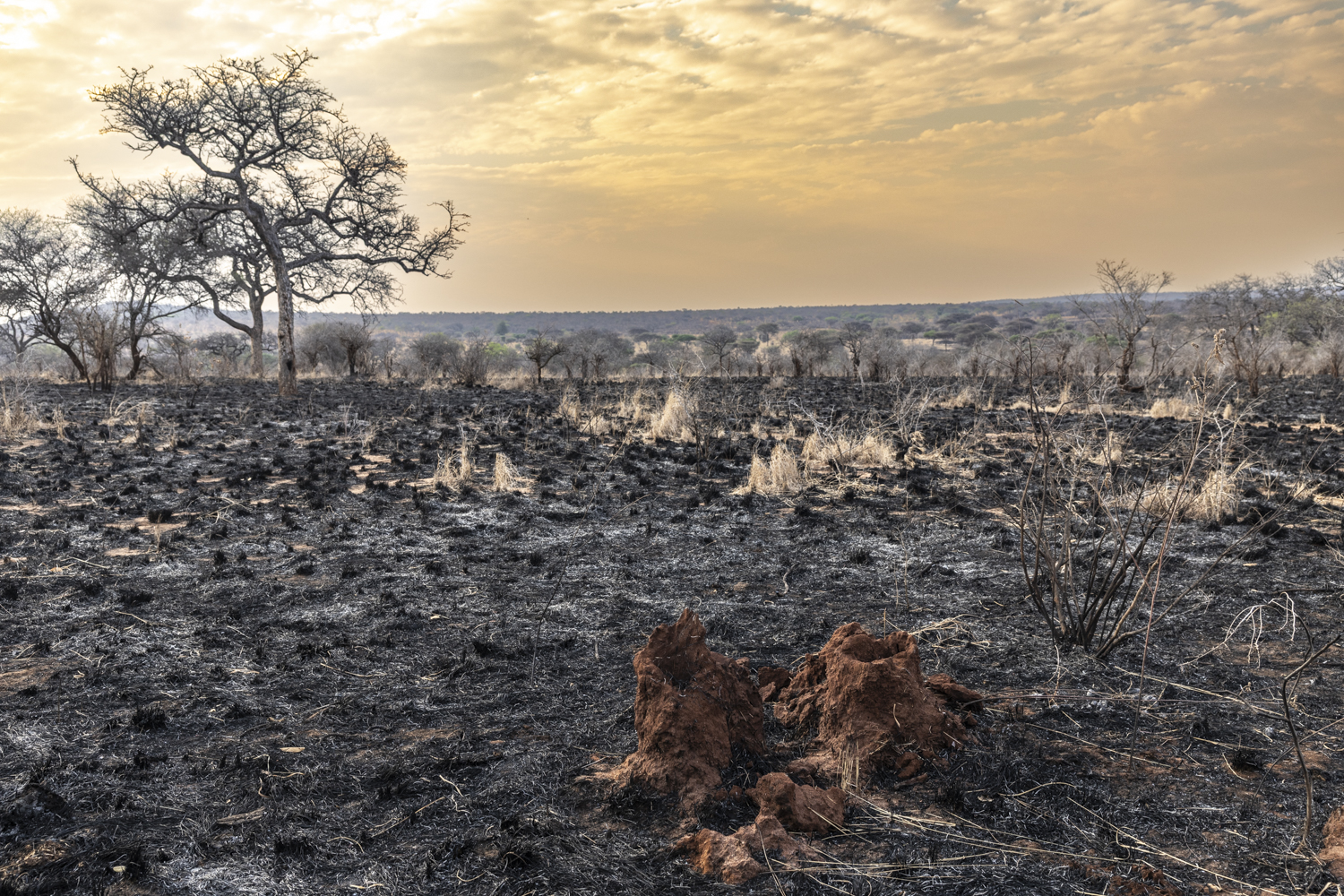
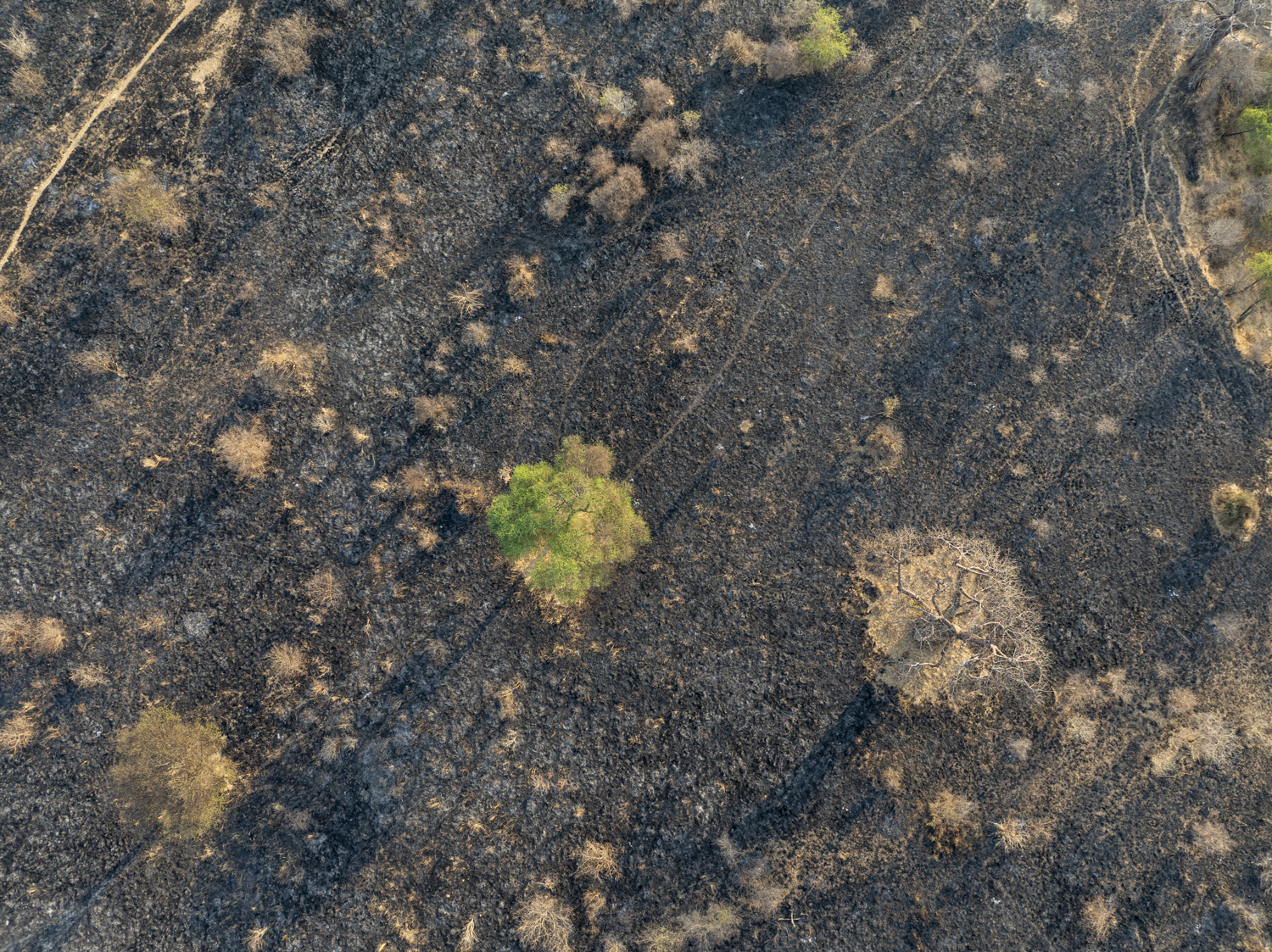
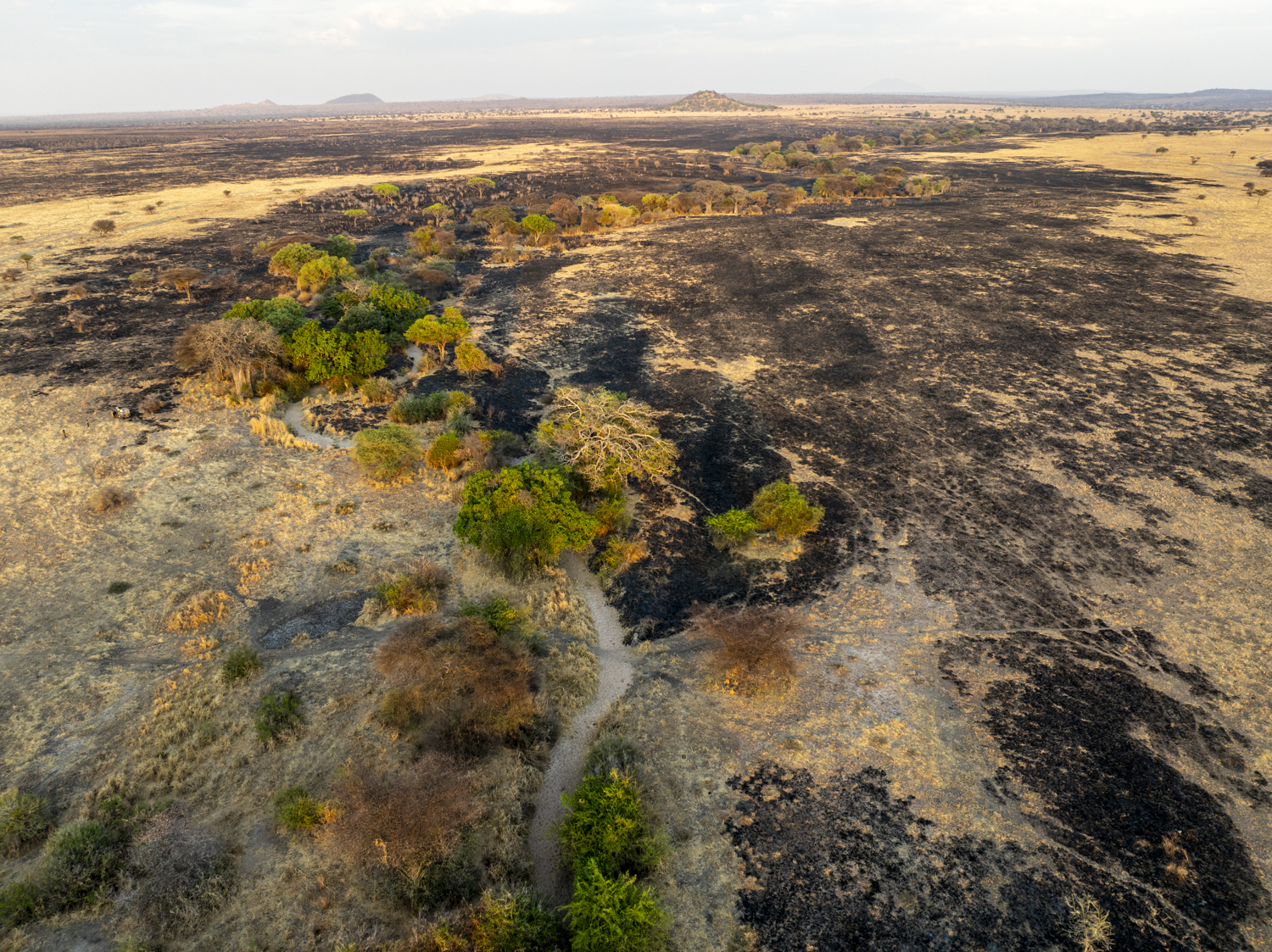
In Randilen, at the heart of the WMA (Wildlife Management Area), I was surprised to find upon arrival that a significant fire had burned part of the area.
A bit shaken by the sight, I quickly understood — after talking with Honeyguide, the NGO I was photographing for — that things were more nuanced than I had imagined. Fire isn’t necessarily catastrophic; it all depends on its intensity.
Fire is part of many ecosystems, and in many regions, nature has evolved with fire, not against it.
1. Fighting every fire can actually make things worse.
Total fire suppression leads to an accumulation of brush and fuel, denser vegetation… and the perfect conditions for mega-fires.
When a fire eventually breaks out, it burns faster, hotter, and far more destructively.
By contrast, low-intensity fires act as a natural “reset.”
Whether natural (lightning) or intentional (traditional or prescribed burning), these smaller fires clear dead vegetation, recycle nutrients, support fire-adapted species, and reduce the risk of catastrophic wildfires later on.
This was an important discovery for me. After that, I was able to photograph Randilen with a more tolerant eye toward the charred expanses.
I even found a certain graphic beauty in them — especially knowing that the trees aren’t dead, and that life will return with the first rains.
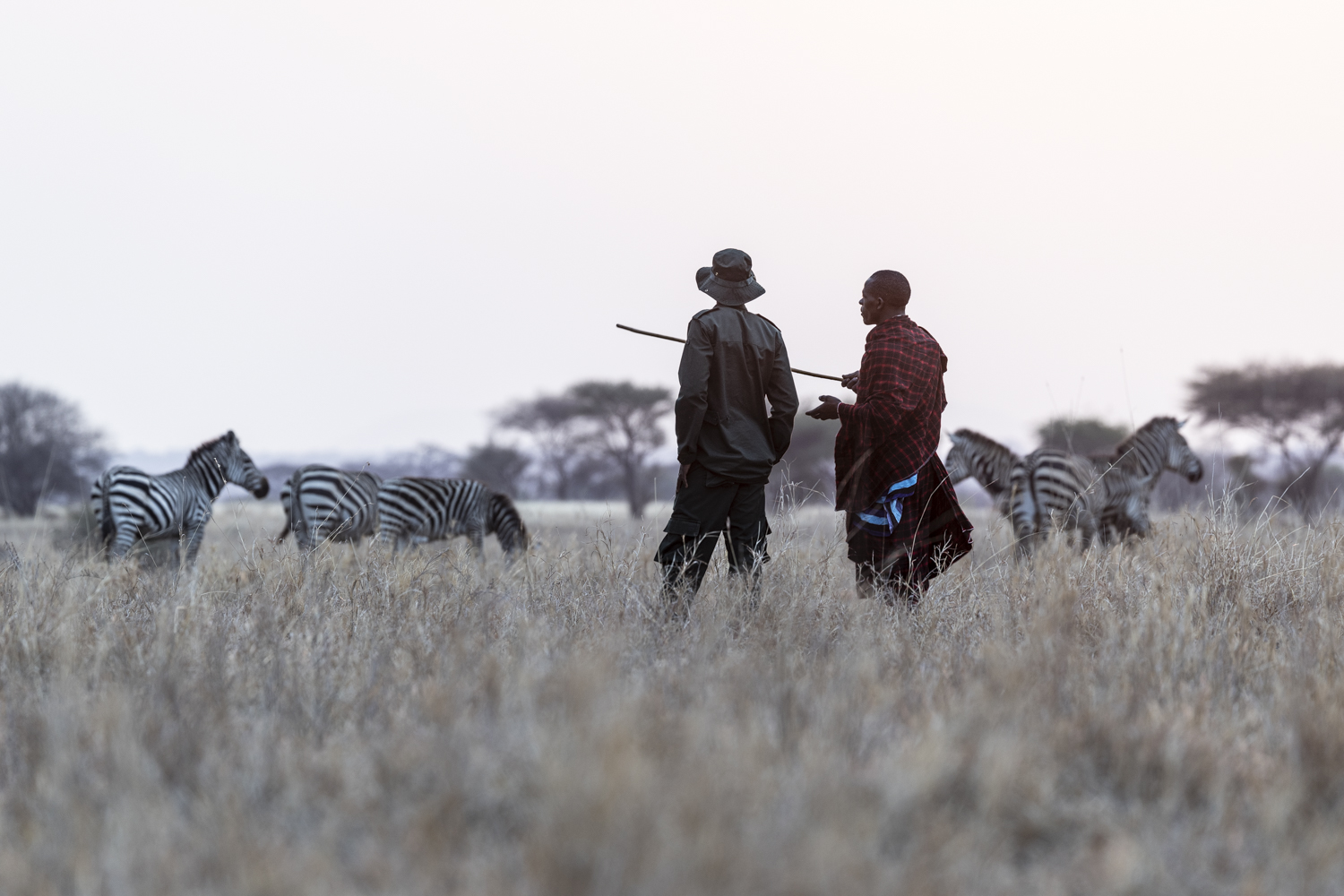
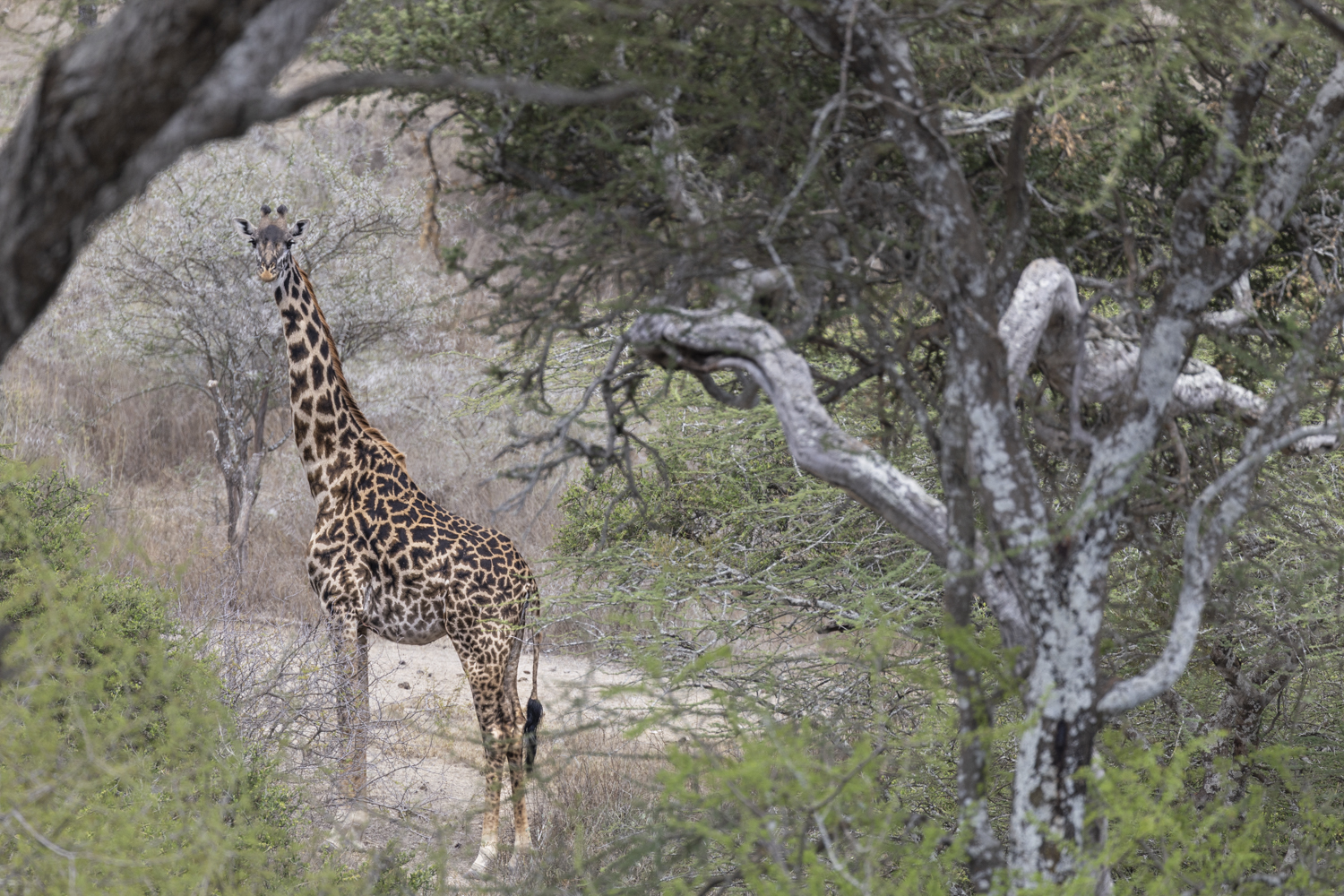
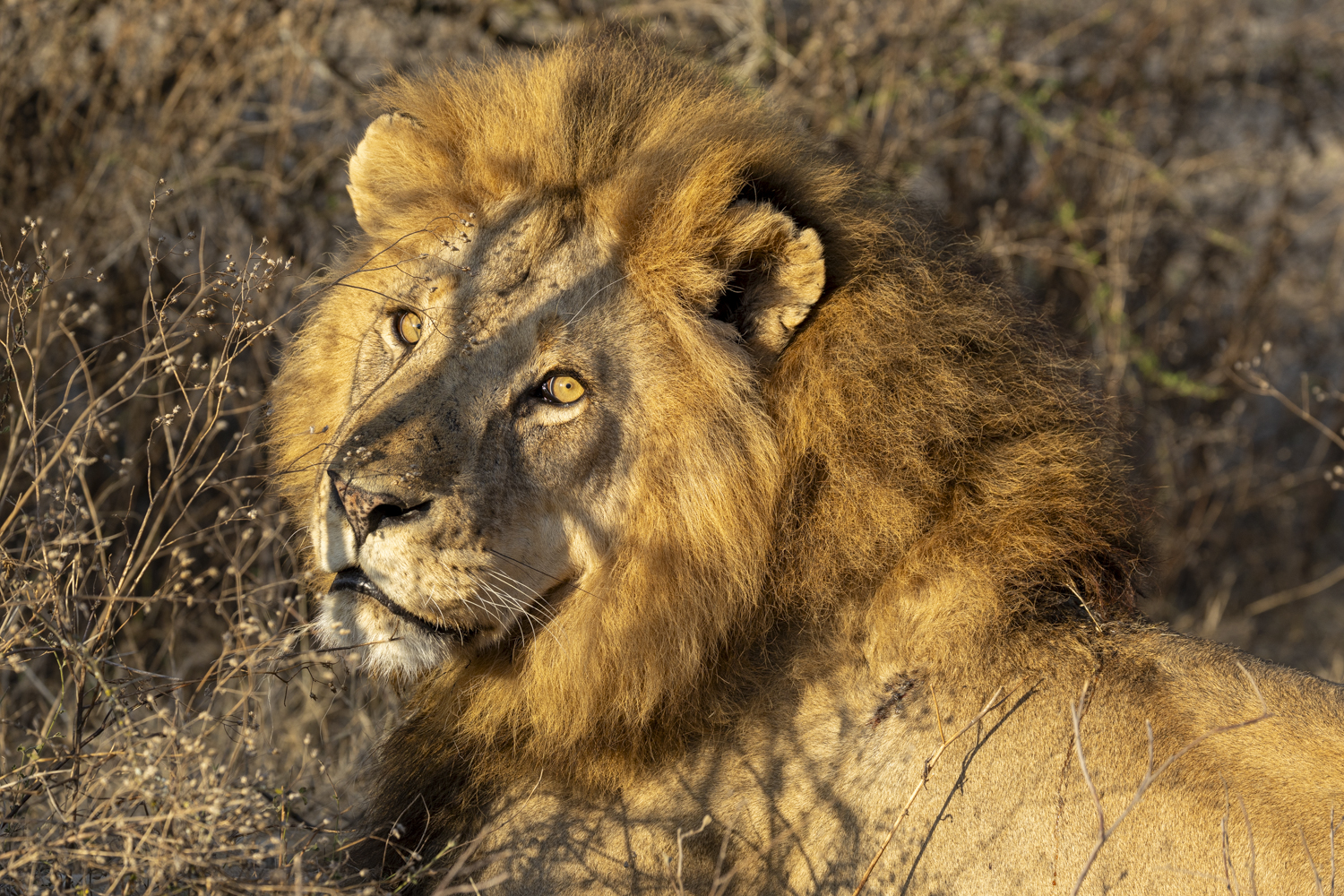
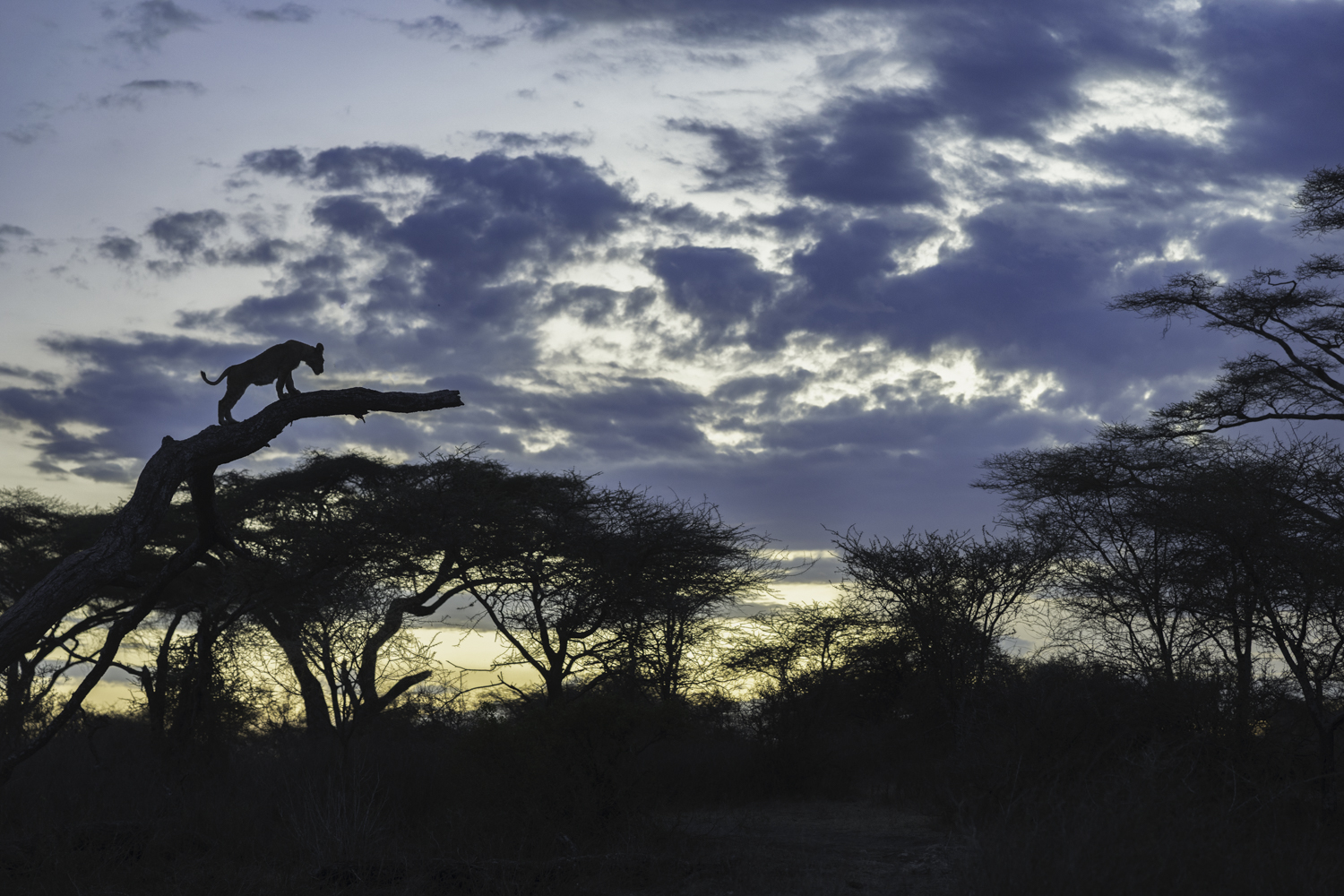
I’ve also added to the photo gallery a few images of animals and landscapes taken in greener areas (the Serengeti with Kopelion).